Product Schema and Merchant Listings: The 2026 Technical SEO Checklist

Product structured data is one of the most practical schema investments left in SEO.
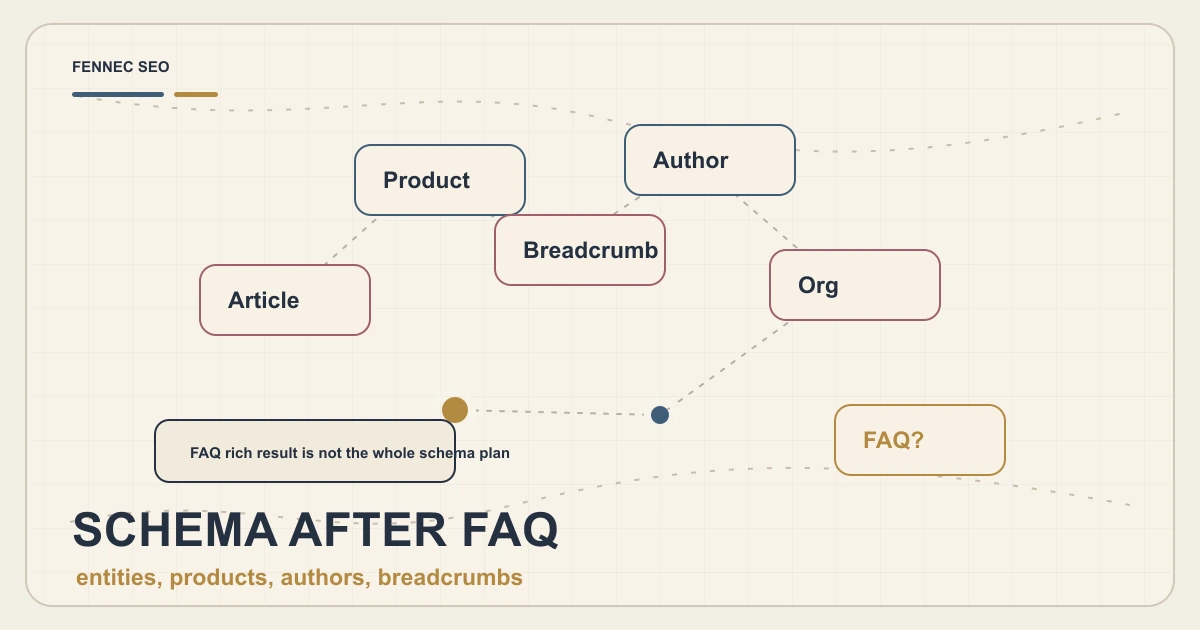
Unlike FAQ-only tactics, product data connects directly to user decisions: price, availability, shipping, returns, ratings, variants, and product identity.
For ecommerce, SaaS, apps, and tools, the question is:
Can search systems read the same product facts that users see on the page?
This checklist helps you audit product schema and merchant listing readiness in 2026.
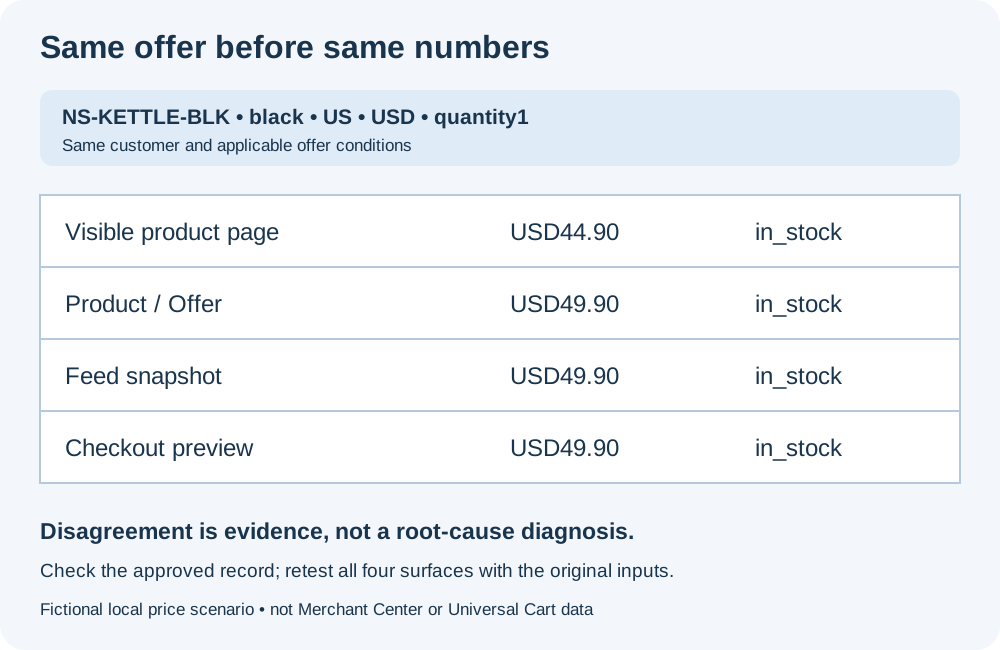
For a reproducible investigation when values disagree, follow the price and stock consistency audit. It compares the same variant across visible content, Offer, feed and checkout rather than checking field presence alone.
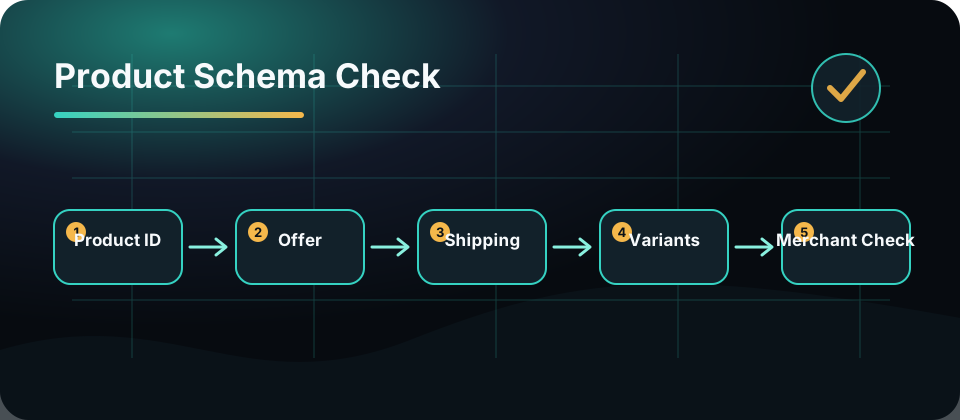
Start With Page Type
Not every product-related page needs the same markup.
| Page type | Schema focus |
|---|---|
| Product detail page | Product, Offer, shipping, return policy |
| Product variant page | ProductGroup or variant relationships where applicable |
| Software page | SoftwareApplication or Product where relevant |
| Category page | ItemList or collection context |
| Review page | Review only when the review is visible and genuine |
| Pricing page | Offer details if the page represents a purchasable product |
For Fennec SEO, Extension, Audit, and Mobile App Audit are closer to software/product pages than generic articles.
Core Product Fields
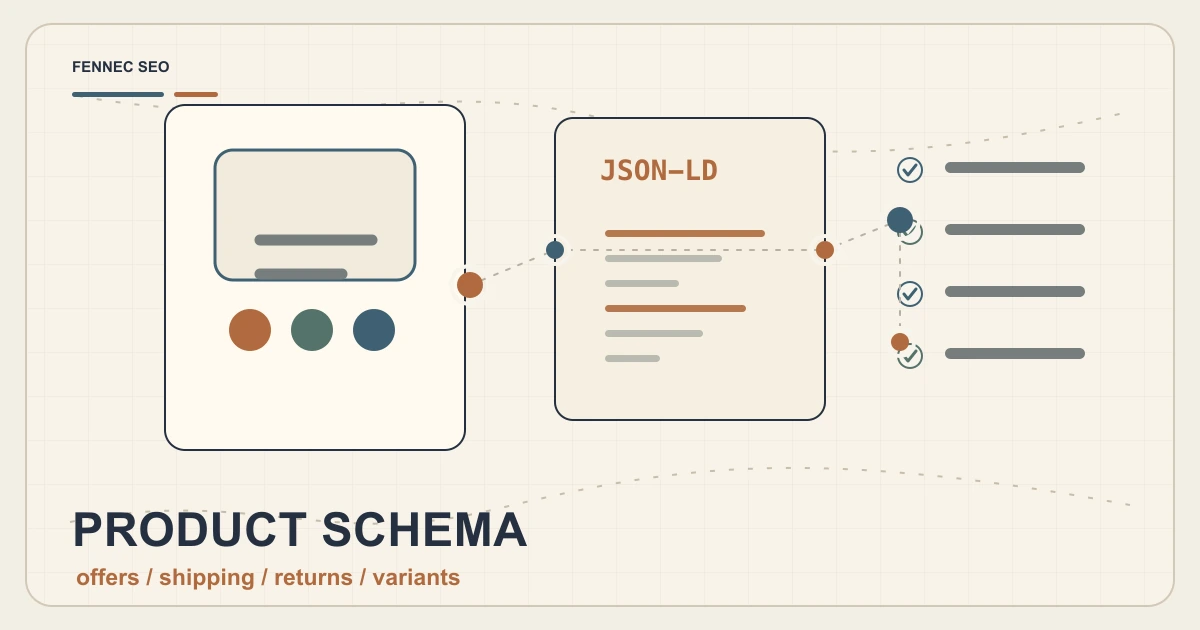
At minimum, product markup should accurately represent visible content:
namedescriptionimagebrandskuor product identifier where applicableofferspricepriceCurrencyavailabilityurl
Do not mark up information that users cannot verify on the page.
Offers And Availability
Offer data is where many sites break trust.
Check:
- Price matches visible page price
- Currency is correct
- Availability is current
- Sale price logic is not stale
- Out-of-stock pages are handled consistently
- Region-specific pricing is not mixed
- Canonical URL matches the offer page
If pricing changes often, automate validation. Stale offer data is worse than missing offer data.
Shipping And Returns
Google’s product structured data documentation supports merchant-related information such as shipping and return policy details when relevant.
Audit:
- Shipping cost and destination match visible policy
- Return window is accurate
- Return fees are clear
- Merchant policy pages are crawlable
- Product pages link to policy pages
- Structured data is not more generous than visible content
This is a trust issue, not only a rich-result issue.
Product Variants
Variants can confuse search systems when every URL claims to be the same product without clear relationships.
Check:
- Color, size, plan, or platform variants are represented consistently
- Canonicals do not collapse unique variants accidentally
- Variant selectors are crawlable where needed
- Stock and price change by variant when visible
- Internal links expose important variants
For software, variants may be platform-based: Chrome extension, iOS app, Android app, web audit tool.
Ratings And Reviews
Only add rating or review markup when:
- Reviews are visible to users
- Reviews are about the marked-up product
- Ratings are genuine
- Aggregate values match the visible page
- The site follows Google’s review snippet guidelines
Do not invent ratings. Short-term snippet attempts can create long-term trust problems.
Technical Validation
Product schema should be part of a technical SEO release checklist.
Validate:
- JSON-LD parses correctly
- Schema matches visible content
- Canonical URL is correct
- Page is indexable
- Product image is crawlable
- No template injects duplicate products
- JavaScript rendering does not remove schema
- Mobile page includes the same product facts
Use Schema Markup, Technical SEO, and Bot Simulator together for important pages.
Product Schema Scorecard
| Area | Pass criteria |
|---|---|
| Identity | Name, brand, image, description match page |
| Offer | Price, currency, availability are current |
| Policies | Shipping and returns match visible content |
| Variants | Variant relationships are clear |
| Reviews | Ratings are genuine and visible |
| Technical | JSON-LD validates and page is indexable |
| Mobile | Product facts match desktop |
Takeaway
Product schema in 2026 is not just a rich-result tactic. It is product truth in machine-readable form.
Keep markup accurate, visible-content-aligned, and validated after every product or template change. That is how structured data supports both search visibility and user trust.