Schema Markup in 2026: What Still Matters After FAQ Rich Results

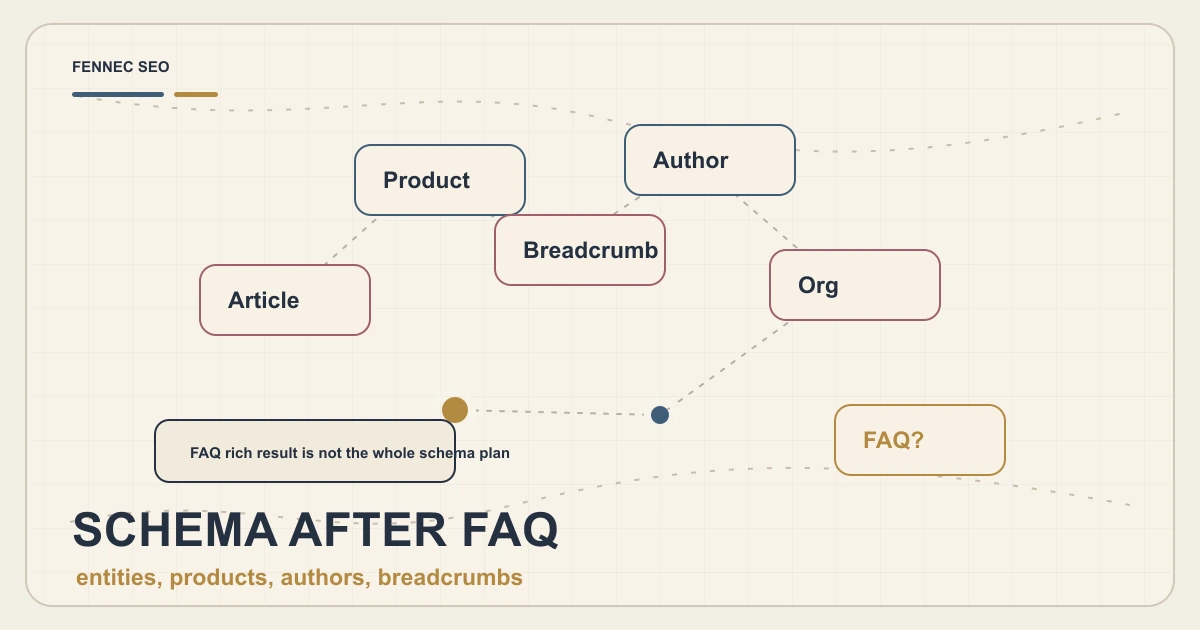
FAQ rich results are no longer the structured data shortcut many SEOs remember.
That does not mean schema is dead. It means schema has returned to its more durable job:
Help search systems understand the page, entity, product, author, and relationship between content.
In 2026, structured data is less about chasing one rich-result feature and more about maintaining a clean machine-readable layer across your site.
What Changed With FAQ
Google’s FAQPage structured data documentation has changed over time, and broad FAQ rich-result visibility has been restricted compared with earlier SEO playbooks.
The practical takeaway:
- Do not add fake FAQs for snippets.
- Do not expect FAQ schema to rescue weak content.
- Remove FAQ/Q&A structured data from normal content pages.
- Keep useful answers visible only when they genuinely help readers.
FAQ/Q&A content can remain human-readable, but it should not be a default structured-data strategy.
Schema Types Worth Maintaining
Article
Use Article or BlogPosting schema for editorial content. Include:
- Headline
- Description
- Author
- Publisher
- Date published
- Date modified
- Image when available
This supports content freshness and author clarity.
BreadcrumbList
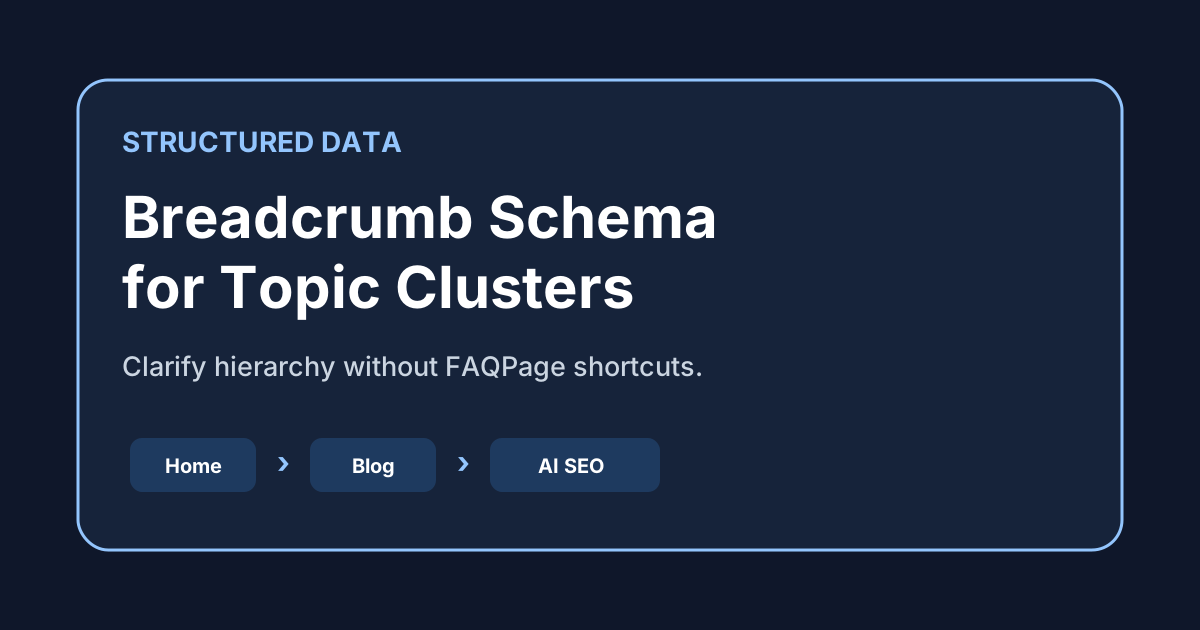
Breadcrumb schema helps explain site structure. It is especially useful for large topic clusters, wiki sections, and multi-language sites.
For a deeper implementation pattern, see Breadcrumb Schema for Topic Clusters.
Organization
Organization schema should connect:
- Brand name
- URL
- Logo
- Social profiles
- Contact or support references where relevant
Consistency matters more than complexity.
Person
For expert content, Person schema can support author entity clarity. Match it with visible bylines, author pages, and external profiles.
Product And SoftwareApplication
For tools and SaaS pages, product-like schema can clarify:
- Name
- Description
- Operating system or platform
- Application category
- Offers where appropriate
- Ratings only if genuine and compliant
For Fennec, pages like Extension, Audit, and Mobile App Audit deserve clean software-related structured data.
Schema For AI Search
Google says generative AI search does not require special AI markup. That is important.
But schema still helps by clarifying:
- What the page is
- Who created it
- Which entity it belongs to
- What product or tool it describes
- Where the page sits in the site
- Which date should be trusted
AI search visibility still depends on crawlability, usefulness, and source quality. Schema supports that system. It does not replace it.
Common Schema Mistakes
Avoid:
- Marking hidden content as if it is visible
- Adding FAQ/Q&A schema to normal content pages
- Using review ratings without real reviews
- Duplicating Organization data inconsistently
- Forgetting dateModified on updated articles
- Injecting schema only after fragile client-side rendering
- Copying schema from competitors without matching content
Schema should be boring, accurate, and durable.
The 2026 Schema Audit Checklist
Use this checklist:
| Check | Why |
|---|---|
| Schema matches visible content | Prevents misleading markup |
| Canonical URL is correct | Avoids entity confusion |
| Author and organization are consistent | Builds trust signals |
| Date modified is current | Supports freshness |
| Breadcrumbs match navigation | Clarifies structure |
| Product fields are factual | Reduces compliance risk |
| JSON-LD validates | Prevents parsing errors |
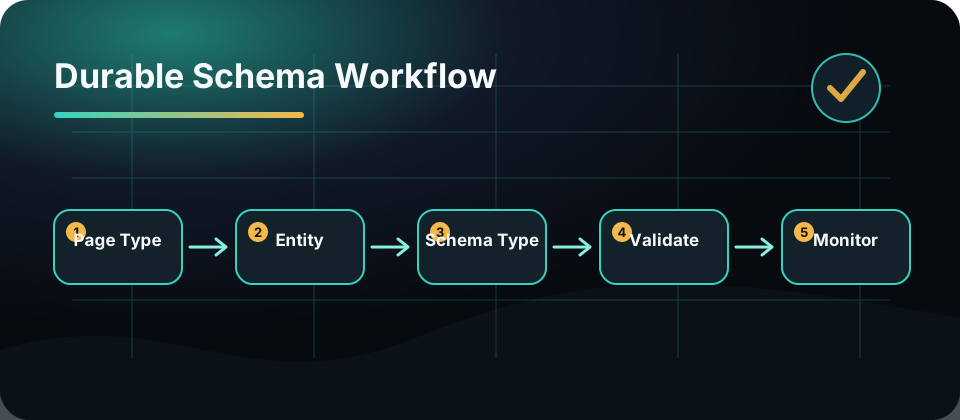
Run Schema Markup checks after content updates, product releases, and template changes.
Takeaway
Schema in 2026 is not about forcing FAQ snippets. It is about clarity.
Keep structured data accurate, visible-content-aligned, and connected to your real entities. That helps search systems understand your site even when individual rich-result features change.